

By: Mian Wasif Ali
Pakistan is making headlines again — this time for its audacious foray into the digital gold rush. On May 25, 2025, the Finance Ministry opened the floodgates, allocating 2,000 MW of electricity — enough to power 1.5 million homes — to Bitcoin mining and AI data centers. The plan, backed by the Pakistan Crypto Council (PCC), aims to cash in on surplus power, lure foreign investors, and create a tech-savvy workforce. With 40 million crypto users and a top-ten global adoption ranking, it all sounds like a digital dream come true.
But there’s a catch — and it’s a big one.
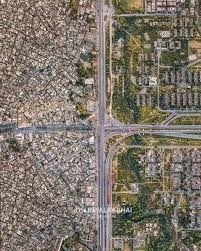
While crypto mining promises to net Pakistan a cool $1 billion a year, rural homes still flicker in the dark. In a country where power cuts once forced families to cook by candlelight, funneling energy to crypto farms smacks of misplaced priorities. Is this really the digital revolution we’ve been waiting for — or just another chapter in a tale of two Pakistans?
Crypto’s Bright Lights and Heavy Costs
Let’s break down how this works. Bitcoin mining is a high-stakes lottery: miners race to solve complex cryptographic puzzles and, if they win, they pocket a hefty 3.125 Bitcoins per block — worth over $300,000 at today’s prices. But the price for the planet is steep. Global crypto mining guzzles 160 terawatt-hours a year — about as much as Poland’s entire power demand. In Pakistan, those 2,000 MW could be powering thousands of mining rigs, each sucking up as much energy as three air conditioners.
Meanwhile, 25% of rural households don’t have reliable electricity. Critics argue that prioritizing digital riches over basic human needs will only deepen social and economic divides.
The Double-Edged Sword of Surplus Power
It’s true that Pakistan has surplus power in winter — around 10,000 MW, mainly from coal plants locked into costly contracts. The PCC sees this as an opportunity: plug in the miners, mint crypto, and attract billions in foreign direct investment. But there’s a darker side to this story. These coal plants are also pumping out 4–5 million tons of CO₂ annually, worsening Pakistan’s air quality crisis. And with smog already claiming 10,000 lives a year, the question looms large: is this really worth it?
While countries like Iceland and Bhutan have successfully harnessed renewable energy for crypto mining, Pakistan’s coal-heavy mix threatens to turn this digital gold rush into an environmental and social fiasco.
Inequality and Public Outrage
Let’s talk about the optics. Rural communities are already dealing with daily outages of up to 12 hours. In Balochistan, only 40% of homes even have a grid connection. Against that backdrop, uninterrupted electricity for crypto farms feels like a slap in the face. And while the 2,000 MW allocation might seem small, it’s enough to power 1.5 million homes — homes that currently have none.
The resentment is real, and it’s growing. If miners get steady power while villages stay dark, the digital divide will only widen. Public anger is brewing, and policymakers ignore it at their peril.
Lessons from Around the Globe
The world’s crypto experiments offer a cautionary tale. El Salvador and Iceland thrived because they tapped into abundant geothermal and hydro resources. Bhutan’s hydropower-fed Bitcoin boom is another example of green mining done right. But Kazakhstan and Iran, who leaned on fossil fuels, faced blackouts and public backlash. Pakistan’s current path looks eerily similar to the latter — unless it pivots fast.
With untapped renewable potential — 50,000 MW in wind, 100,000 MW in hydro — Pakistan could rewrite the script. But without a clear commitment to clean energy, it risks repeating the mistakes of those who bet big on crypto and lost.
The Digital Dream vs. The Rural Reality
There’s no doubt that crypto mining could create jobs and unlock wealth. With power costs as low as 4–6 cents/kWh, Pakistan could become a regional data hub, outshining Singapore and attracting billions in foreign investment. The PCC promises IT jobs for the country’s 60% youth population and blockchain programs that could lift millions out of poverty.
But here’s the catch: 70% of rural youth don’t have the digital skills to join this new economy, and only 20% of rural areas have high-speed internet. If this digital revolution doesn’t include them, it will become just another story of urban elites cashing in while everyone else gets left behind.
Walking the Tightrope: Innovation vs. Inclusion
Pakistan is at a crossroads. This crypto push could catapult it into the digital age — but it could also deepen the rift between the connected and the forgotten. Coal-powered mining could push the country’s emissions even higher, while communities in rural Sindh and Balochistan stay stuck in the dark.
The answer? Balance. Training 100,000 youth in blockchain and AI by 2030, building solar microgrids for half a million rural homes, and setting a firm green energy deadline of 2030. Transparent governance, clear regulations, and a serious commitment to closing the digital gap are essential.
A Digital Revolution for All — Or Just for Some?
Pakistan’s 2,000 MW crypto bet has the potential to be a game-changer — if it’s done right. But if this digital leap leaves rural communities behind, it will be nothing more than another missed opportunity. The choice is ours: will Pakistan light up its future for everyone — or let the blockchain boom leave its people in the shadows?