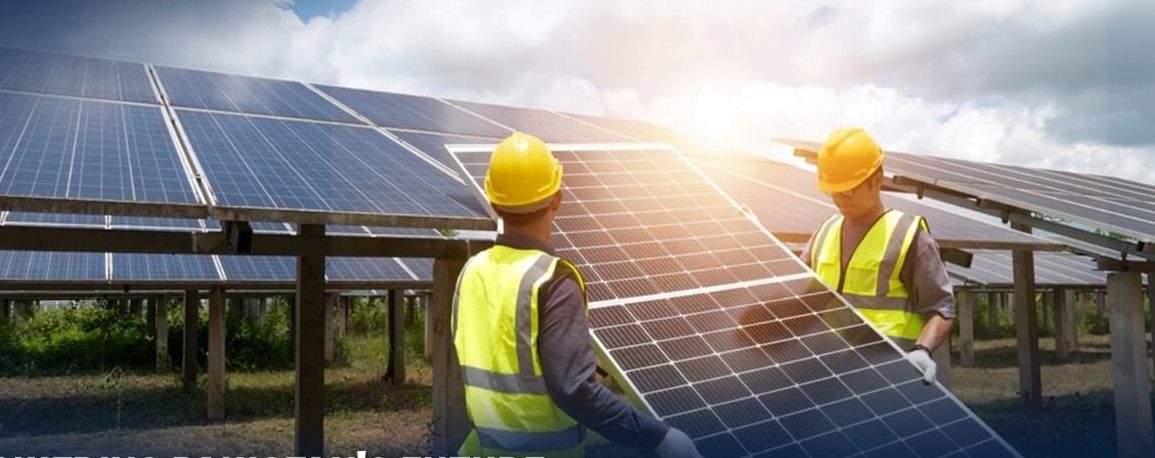

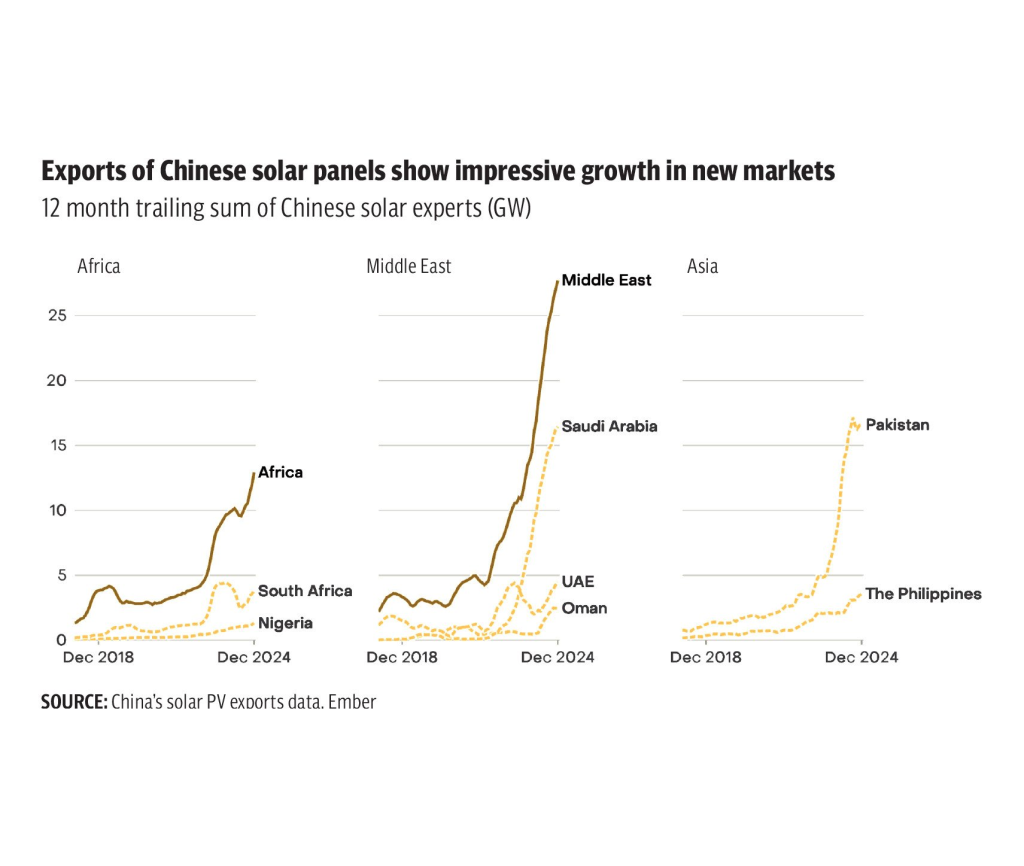
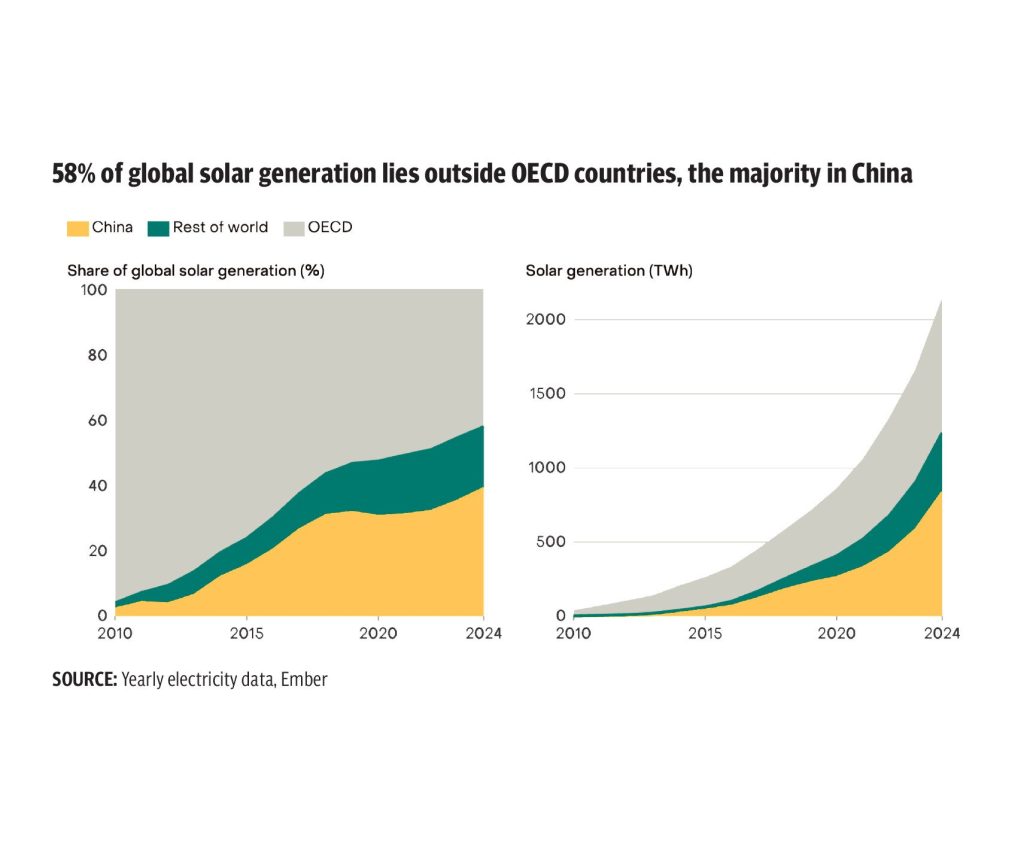
In 2024, Pakistan made headlines by becoming the world’s largest importer of solar panels, signaling a dramatic shift in its energy strategy. With 17 gigawatts worth of panels imported—double that of the previous year—Pakistan is rapidly moving toward a solar-powered future.
A New Era of Energy
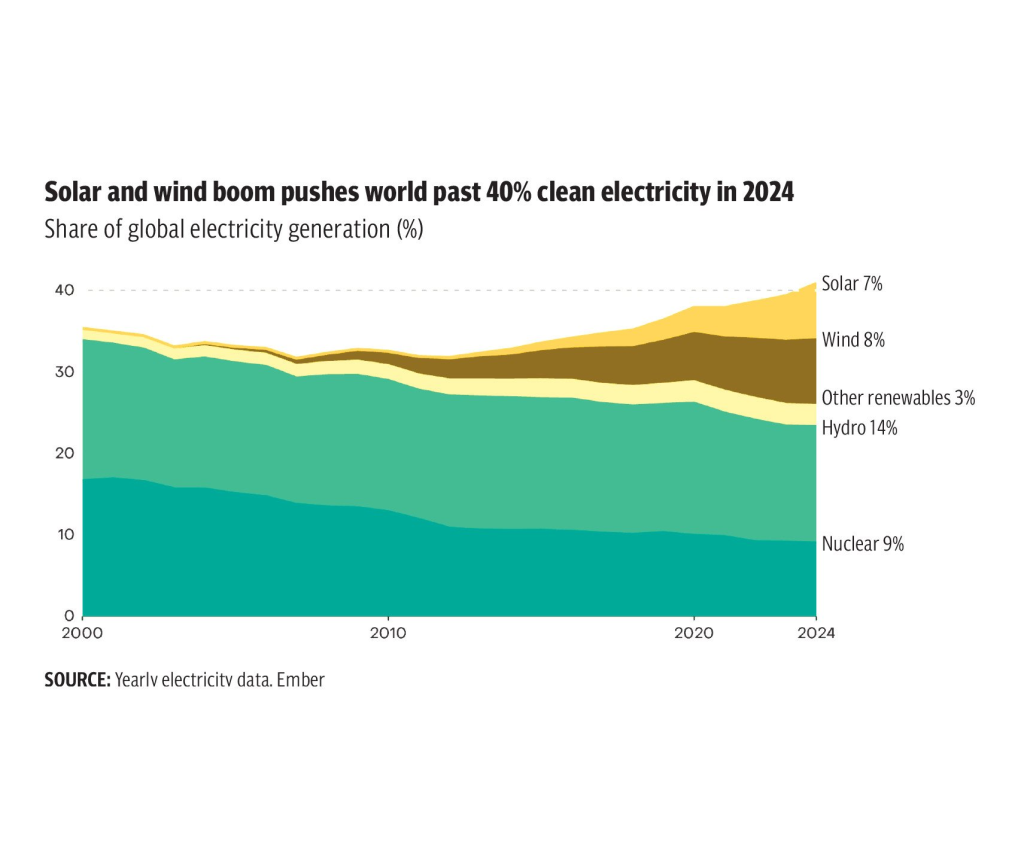
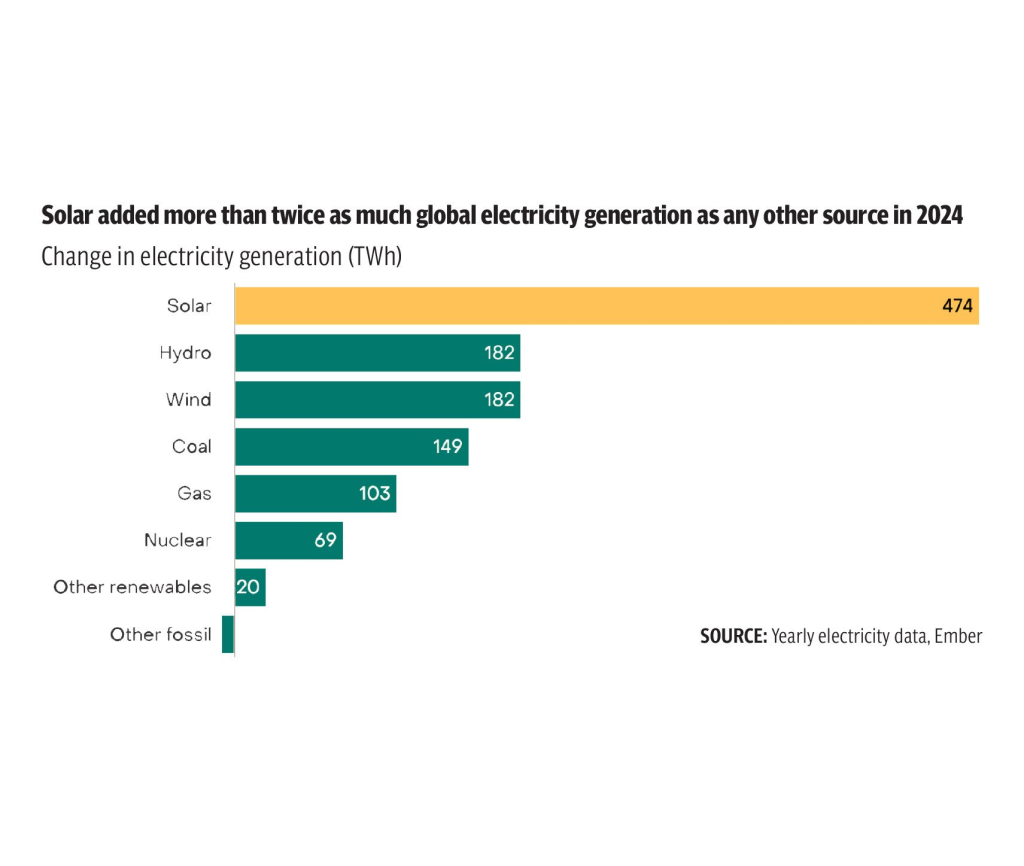
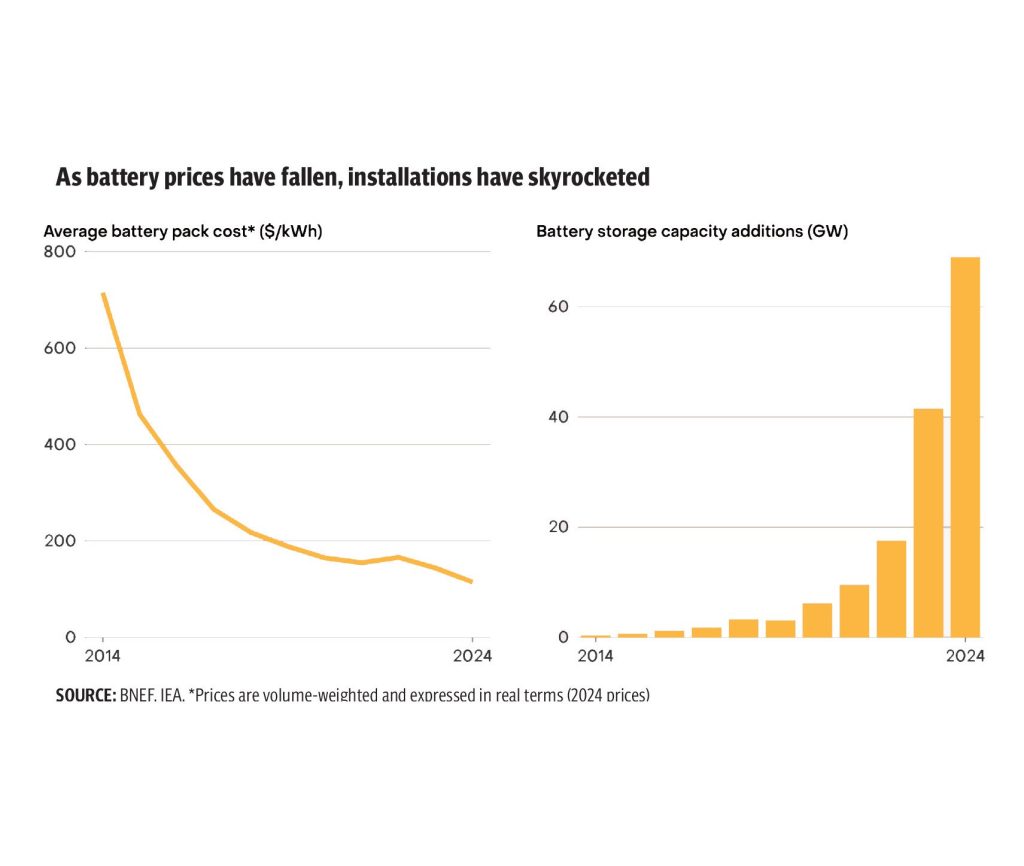
Throughout history, humanity has adapted in the face of shortages, and today’s energy crisis is no different. As fossil fuel costs rise and environmental concerns mount, solar power has emerged as a cleaner, cheaper alternative. Falling panel prices and improved technology have made solar energy increasingly accessible—not just for governments and corporations, but for everyday citizens.
Pakistan’s embrace of solar energy is the result of growing public demand, favorable government policies, and technological advancements. Once considered a luxury, solar is now seen as a practical solution to rising electricity prices, load-shedding, and environmental degradation.
Policy-Driven Progress
The transformation of Pakistan’s energy landscape hasn’t been accidental. Government support through policy initiatives has played a crucial role. According to Shah Jahan Mirza, Managing Director of the Private Power and Infrastructure Board (PPIB), the focus is on achieving affordability, sustainability, and energy access for all.
Pakistan’s first Renewable Energy Policy in 2006 marked the beginning of its solar journey. This policy attracted private investments in solar, wind, and bagasse-based energy. The 2015 introduction of net metering by NEPRA was a game-changer, allowing consumers to sell surplus solar power back to the grid. Today, over 302,000 net-metering systems are active, generating approximately 4,492 MW.
Under the National Electricity Policy 2021 and the National Electricity Plan 2023-27, the country aims to generate 60% of its power from clean, indigenous sources by 2030. The government is also encouraging off-grid solar solutions and the development of micro and mini renewable grids.
Solar in Action: Everyday Stories
The impact of solar energy is being felt across the country. In Karachi, Faizan Ahmed installed a 10kW solar system that now powers his entire home and generates surplus electricity. “After a few months, our electricity bill went into negative,” he shared. “It’s not just saving us money; it’s earning for us too.”
In Lahore, Fatima Khurram’s family installed a 7kW system, which reduced their Rs45,000 monthly bill to nearly zero. “It’s peace of mind,” she said. “We’ve taken control of our power.”
However, challenges remain. Zeeshan Rehman from Karachi pointed out the imbalance in pricing: while solar users sell extra power to the grid at Rs11 per unit, they buy it back at Rs30 during low generation periods. Still, he acknowledged the long-term savings and energy independence solar provides.
Net Metering vs. Gross Metering
Pakistan’s solar users typically choose between two billing systems:
- Net Metering: Consumers use their solar power first and send the excess to the grid. Their bill reflects only the net difference.
- Gross Metering: All generated solar energy is exported to the grid, and users buy power from utilities as usual—often at higher rates than what they earn.
While net metering is more popular among residential users, both systems are helping fuel the solar boom.
The Challenge of Rapid Growth
As rooftops across Pakistan turn blue with solar panels, the national grid struggles to adapt. Most new installations are off-grid or behind-the-meter, making it hard to track the true scale of solar generation. Experts warn that without proper infrastructure upgrades, the shift could destabilize the grid—especially during peak demand times when solar output drops.
Despite the risks, this decentralized energy movement is empowering consumers and reshaping the energy market. Energy analyst Harjeet Singh called it “a grassroots energy revolution,” stressing that it’s not just about decarbonization, but also economic resilience and energy access.
Economic Impact
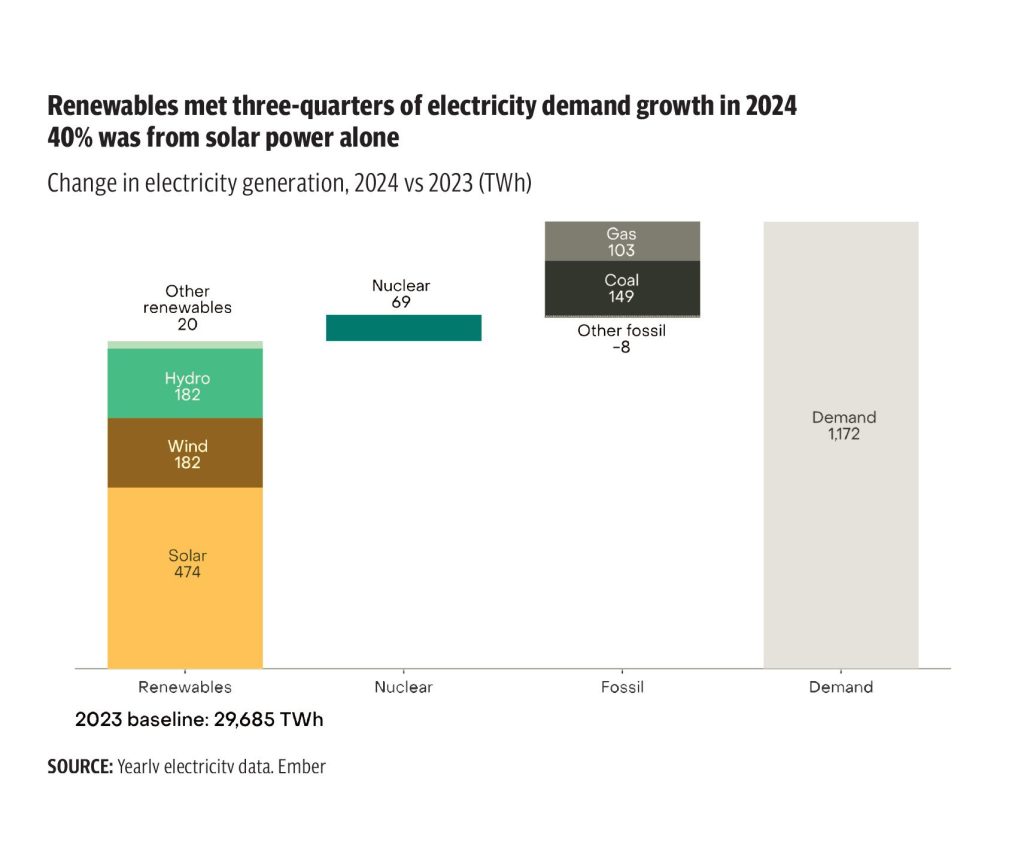
According to Dr. Junaid Ahmed from the Pakistan Institute of Development Economics (PIDE), solar energy could be a game-changer for the economy. It reduces the need for expensive thermal generation, helping industries lower costs and improve competitiveness. It also cuts reliance on imported fuels, easing pressure on foreign exchange reserves.
Solar is also a job creator. From installation to maintenance and manufacturing, it supports employment across skill levels and regions. However, to maximize these benefits, Dr. Ahmed stressed the need to restructure outdated contracts with Independent Power Producers (IPPs) and invest in workforce training.
Financing Solar for All
High upfront costs have been a barrier to solar adoption, but banks are now stepping in. An official of JS Bank shared that financial institutions are offering tailored loans for individuals, SMEs, and even farmers. While high interest rates have been a challenge, a downward trend in KIBOR is making solar financing more accessible.
Banks are also taking precautions, partnering with reliable solar vendors and conducting ground surveys to ensure quality and demand.
A Brighter, Cleaner Future
Pakistan’s solar transformation is not only reshaping its energy sector but also offering a model for other developing countries. With the right mix of policy, affordability, and public engagement, solar energy is no longer a distant dream—it’s a reality taking shape on rooftops across the nation.
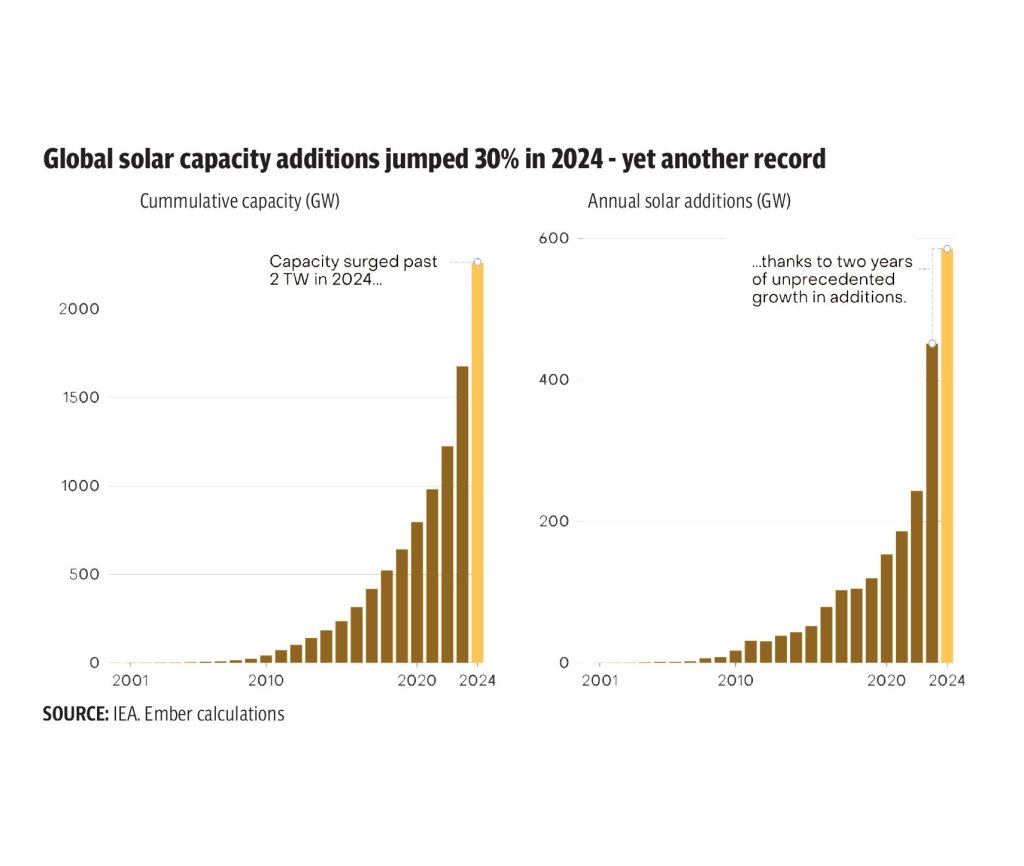
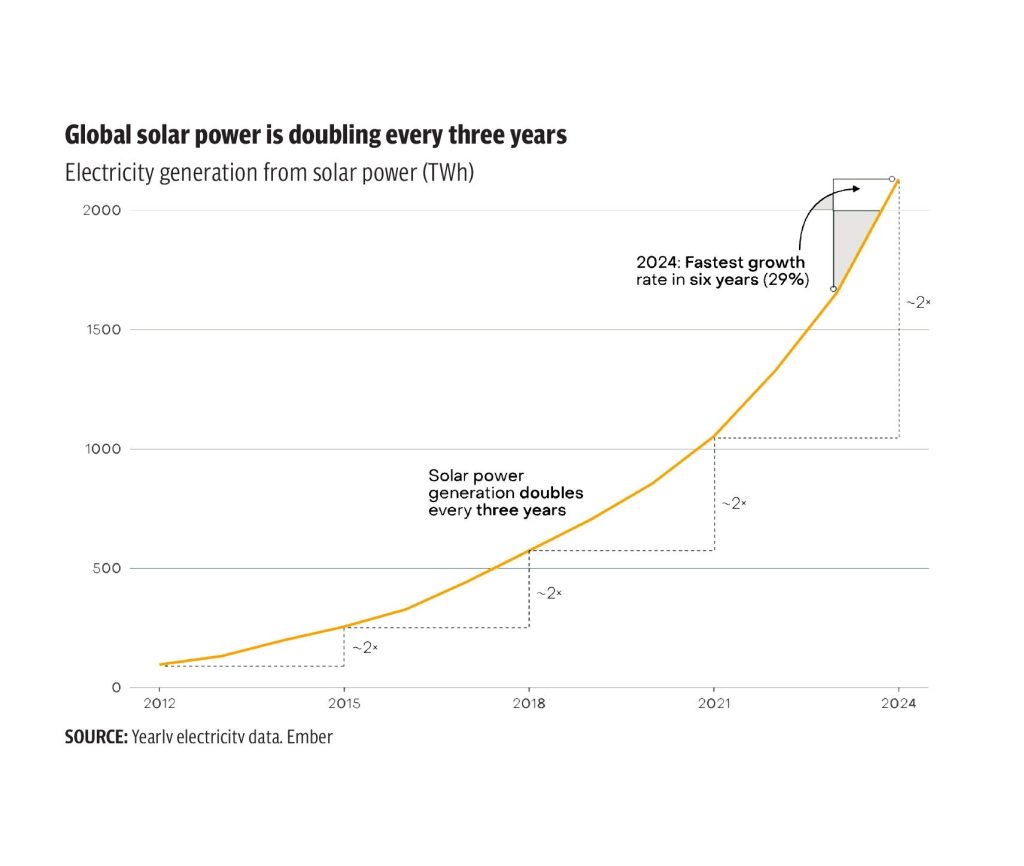
As Pakistan’s solar capacity is projected to grow from 1.41 GW in 2024 to 9.53 GW by 2029, the country is positioning itself at the forefront of a clean energy revolution. This shift isn’t just about generating electricity—it’s about empowering people, ensuring sustainability, and lighting the way toward a more resilient, self-sufficient future.