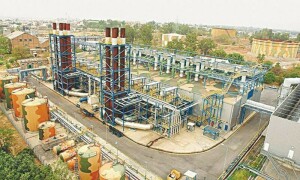

ISLAMABAD: The declining operational capacity of Pakistan’s oil refineries is beginning to impact the availability of key petroleum products, including jet fuel, at critical locations.
According to sources within the Oil and Gas Regulatory Authority (Ogra), a major defence institution has urged the regulator to ensure that local refineries fulfill their commitments to supply JP-8 fuel.
Reportedly, none of the country’s six refineries met their agreed supply volumes for defence needs during the first nine months (July–March) of the current fiscal year. In response, the government and Ogra have directed all refineries to uphold their contractual obligations.
However, refinery operators argue that Ogra’s lenient stance on allowing select oil marketing companies to import finished fuels—such as petrol and diesel—has hurt their business. This preference for imports, they say, has forced some refineries to reduce or shut down operations.
Data reveals that Attock Refinery Limited (ARL), based in Rawalpindi, supplied around 85% of its contracted JP-8 volumes during the reviewed period, the highest among the six refineries. PARCO followed with 70%, while Pakistan Refinery Limited delivered 52%. The remaining refineries—National Refinery, Byco, and Enar—managed only 25.5%, 25%, and 44% respectively. Overall, the collective output stood at just 58% of the committed supply from July to March.
ARL claimed it was the only refinery to deliver close to its contracted share and has pledged to continue doing its best despite technical limitations. The refinery, which depends entirely on locally sourced crude oil, cited depleting reserves in northern oilfields as a major hurdle. It has asked the government—unsuccessfully since 2022—to redirect 5,000 barrels per day of crude from southern fields currently being exported.
In addition, ARL is grappling with frequent disruptions in domestic crude supply caused by forced gas cuts by SNGPL to prioritize imported LNG. Supply issues have also been worsened by unrest and strikes affecting condensate deliveries from Khyber Pakhtunkhwa fields.
Compounding these problems, the unchecked inflow of smuggled petroleum products is threatening the viability of local refineries. Refineries, including ARL, have repeatedly raised concerns over declining production and sales due to this illicit market.
Parco, meanwhile, has informed the government that its diesel inventories have reached record highs, with storage tanks nearly full. The reason: reduced offtake by oil marketing companies, who have been permitted by the regulator to freely import refined fuels. This glut has also negatively affected jet fuel production.