Russian Leader Says Moscow Ready to Leverage Ties with Tehran Amid Stalled Negotiations
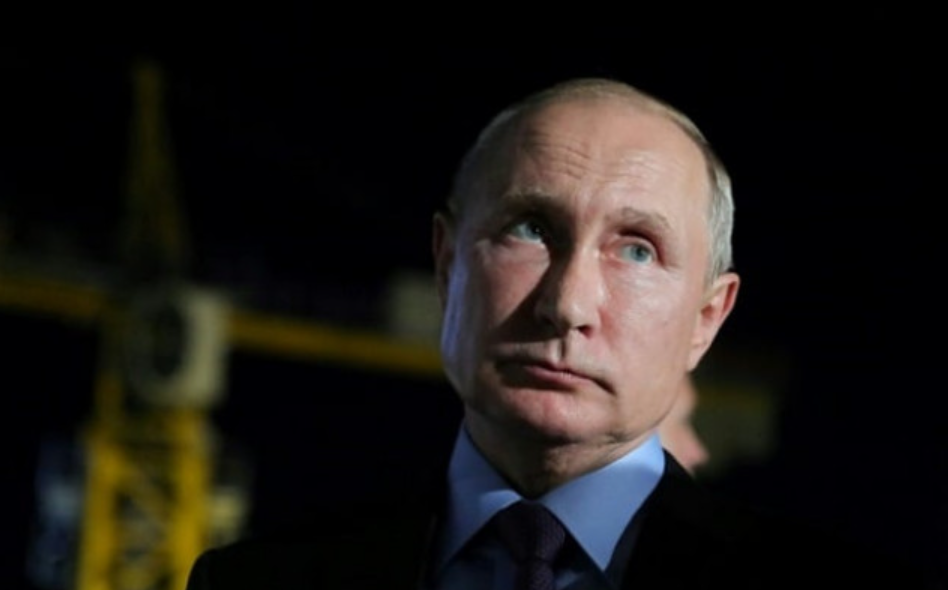
Russian President Vladimir Putin has offered to assist in advancing nuclear negotiations with Iran by using Moscow’s close relationship with Tehran, the Kremlin said Thursday, following a phone conversation with U.S. President Donald Trump.
According to a Kremlin statement, Putin expressed Russia’s readiness to play a constructive role in the ongoing diplomatic efforts aimed at resolving Iran’s long-standing nuclear issue. “We have a close partnership with Tehran,” Kremlin spokesperson Dmitry Peskov stated, “and President Putin said he is willing to use this relationship to help facilitate and support the talks.”
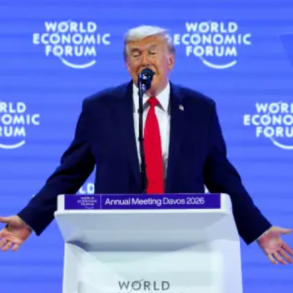
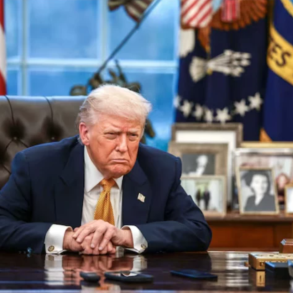
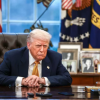
President Trump, speaking after the call, said that time was running out for Iran to act, and confirmed that both leaders agreed Iran must not be allowed to obtain nuclear weapons. Trump also said Putin had offered to personally assist in moving the discussions forward, though he criticized Tehran for “slowwalking” the negotiations.
While Peskov did not specify a timeline for Putin’s possible direct involvement, he confirmed that trilateral communications among Moscow, Washington, and Tehran continue through multiple diplomatic channels. “The president will step in when the moment calls for it,” Peskov added.
Meanwhile, Iran’s Supreme Leader Ayatollah Ali Khamenei remained defiant, rejecting any halt to uranium enrichment—a key demand from the United States. Calling such a move “100 percent” contrary to Iran’s national interest, Khamenei reaffirmed Tehran’s commitment to self-reliance and reiterated Iran’s guiding principle of “We Can.”
Diplomatic efforts to revive the nuclear deal are ongoing through indirect talks, with Oman playing a central mediating role. Last Saturday, U.S. proposals were relayed to Iran via Omani officials during a meeting between Iranian Foreign Minister Abbas Araqchi and U.S. Middle East envoy Steve Witkoff.
Despite five rounds of negotiations, key issues remain unresolved. Iran continues to resist demands to halt uranium enrichment or ship out its stockpile of highly enriched material—both crucial concerns for the U.S., which fears it could be used to develop nuclear weapons.
Though Ayatollah Khamenei has not called off talks entirely, he remains steadfast in rejecting any concessions he believes would undermine Iran’s sovereignty.