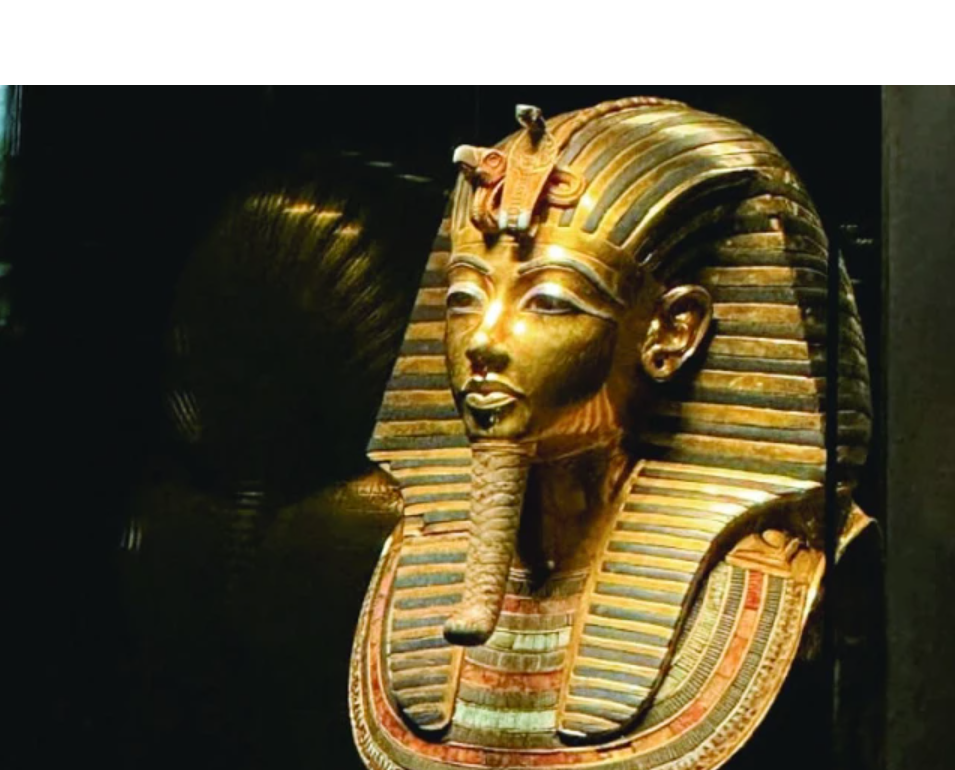

The long-anticipated move of King Tutankhamun’s treasures from Cairo’s historic Egyptian Museum in Tahrir Square to the state-of-the-art Grand Egyptian Museum (GEM) near the Giza Pyramids marks not just a logistical transition, but a symbolic shift in how Egypt presents its rich past to the world.
After nearly a century as the centrepiece of the old museum, the boy king’s famed golden mask, coffins, and over 5,000 artefacts are finally making their way to a modern venue designed to match their magnificence. This relocation is a defining moment in Egyptian museology — a long-overdue upgrade from the ageing, climate-challenged Tahrir facility to the billion-dollar, high-tech complex that promises a more immersive and protective environment for some of history’s most priceless relics.
The Egyptian Museum, with its faded display cases and outdated infrastructure, has become a place of nostalgic reverence rather than innovation. Despite its rich legacy, the building simply could no longer do justice to the splendour of the Tutankhamun collection. In contrast, GEM’s cutting-edge design and facilities — reportedly the largest museum dedicated to a single civilisation — seem poised to offer the treasures the grandeur and narrative space they deserve.
What makes this move particularly significant is that, for the first time, nearly all of King Tut’s treasures will be displayed together in one gallery. Since Howard Carter’s 1922 discovery of the nearly intact tomb, the objects have been scattered, studied, and exhibited piecemeal. Now, at GEM, the full story of the boy pharaoh’s brief yet iconic reign will be told in an unprecedented way. While the pharaoh’s mummy will remain in Luxor’s Valley of the Kings, a digital replica at GEM will use VR technology to bridge the distance — a thoughtful balance between preservation and public engagement.
This shift also signals a broader evolution in Egypt’s handling of its archaeological heritage. In recent years, Egypt has begun dispersing its ancient collections to new institutions, such as the National Museum of Egyptian Civilization, which now houses the royal mummies. With over 32,000 artefacts already moved to GEM, the Tahrir museum will eventually take on a new role — and curators hope to install an exhibition “on par with the significance of Tut’s treasures.”
As a museum experience, GEM promises to raise the global bar. It’s no longer just about showcasing artefacts, but about creating a narrative and environment worthy of Egypt’s monumental past. If executed well, this relocation could represent the dawn of a new golden age for Egypt’s cultural diplomacy and archaeological storytelling.
In short: after a century of standing still, King Tut is finally on the move — and the world should be watching.