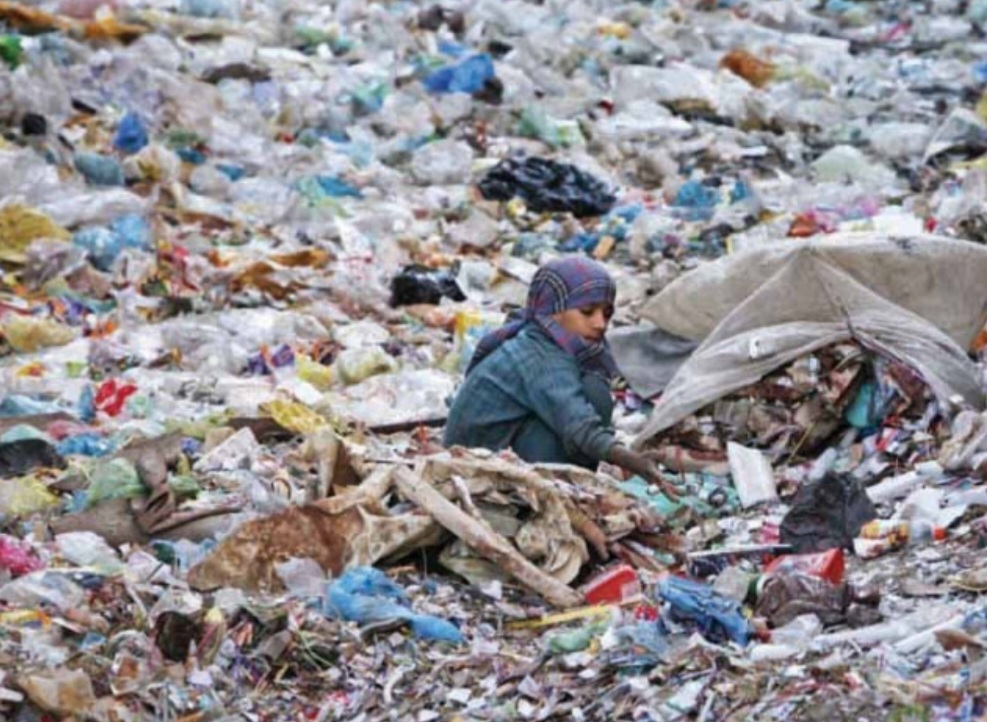

Plastic pollution has emerged as a significant environmental crisis, with global concern intensifying—especially as World Environment Day focuses on the urgent call to “Beat Plastic Pollution.” The unchecked rise in plastic waste is now seen as a threat not just to ecosystems but to human health on a potentially catastrophic scale.Experts emphasize that the widespread use of plastic—due to its low cost and convenience—has led to rampant overconsumption. This, in turn, has serious health implications. During hotter months, for example, storing water in plastic containers and refrigerating it can result in the release of microplastics. These tiny particles, once ingested, may harm the respiratory and digestive systems, damage blood vessels, and accumulate in vital organs. Long-term exposure is even linked to life-threatening diseases, including cancer.Another critical issue is the common practice of burning plastic waste. This process emits toxic gases, which enter the atmosphere and are absorbed into the human body through the lungs and bloodstream. These emissions pose serious, though still not fully understood, health risks.The situation is particularly severe in urban centers where waste management infrastructure is under strain. In one major city, over 14,000 tons of solid waste are produced daily, but only half of it reaches designated landfill sites. The rest is dumped in open areas, waterways, and streets, contaminating air and water sources alike.Plastic makes up a significant portion of this urban waste—up to 60%—with a substantial amount eventually flowing into nearby seas, threatening marine life and coastal ecosystems. If current waste management practices persist, irreversible ecological damage may occur within the next decade and a half.This growing crisis underscores the urgent need for policy intervention, public awareness, and sustainable alternatives to plastic use, to protect both environmental and public health.