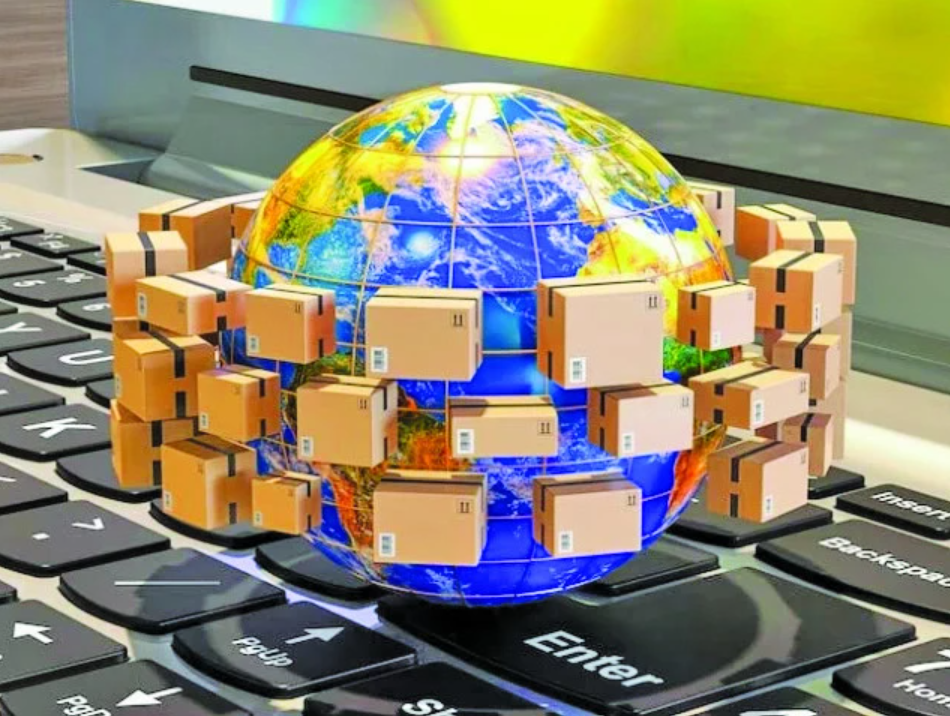

At the 18th International Conference on ‘Mobile Commerce 2025’ in Karachi, Pakistan unveiled an ambitious plan to transform its e-commerce landscape through a landmark partnership with Chinese tech giant Alibaba. The collaboration, expected to be formalised next week, aims to elevate Pakistan’s global export footprint and overhaul its digital trade infrastructure—with the country’s real-time payment system Raast playing a central role.
Faiz Ahmad, Chief Executive of the Trade Development Authority of Pakistan (TDAP), described the alliance as a game-changer for cross-border trade. “Our vision is to revolutionise how Pakistani products are discovered, sold, and delivered internationally,” he said. “With Alibaba onboard and Raast as the financial backbone, we’re creating a unified, scalable, and secure digital supply chain that eliminates cash, banks, and delays.”
Ahmad illustrated this future with a compelling example: a small business in Skardu receives an international bulk order via Alibaba; payment arrives instantly through Raast; the same digital wallet facilitates transactions with suppliers in Karachi—seamlessly and securely. “This is not a theory,” he asserted. “It’s a national imperative and we are executing it now.”
The enthusiasm, however, was tempered by a note of caution from Faisal Mahmood of Karandaaz Pakistan. He raised concerns about the State Bank of Pakistan’s (SBP) readiness to effectively manage pilot projects within its newly launched sandbox framework—questioning whether the necessary financial and technical resources are in place to support fintech innovation at scale.
Meanwhile, other industry experts at the conference highlighted broader trends shaping the digital economy. Ali Imran Khan of Meezan Bank pointed to open banking as the future of financial services, where customer-consented data sharing will drive highly personalised products. Muhammad Hamayun Sajjad, CEO of Mashreq Pakistan, echoed the urgency of digitalisation, remarking that while cash has long been dominant, the tide has decisively turned toward tech-driven financial ecosystems.
The conference itself reflected Pakistan’s growing engagement with digital transformation, featuring panel discussions on regulatory sandboxes, open banking, e-commerce financing, and the rise of digital wallets.
Taken together, the Alibaba partnership and supporting initiatives like Raast and SBP’s sandbox signal a tectonic shift in Pakistan’s economic strategy. If executed well, the convergence of e-commerce, fintech, and digital infrastructure could redefine the country’s role in the global trade network.