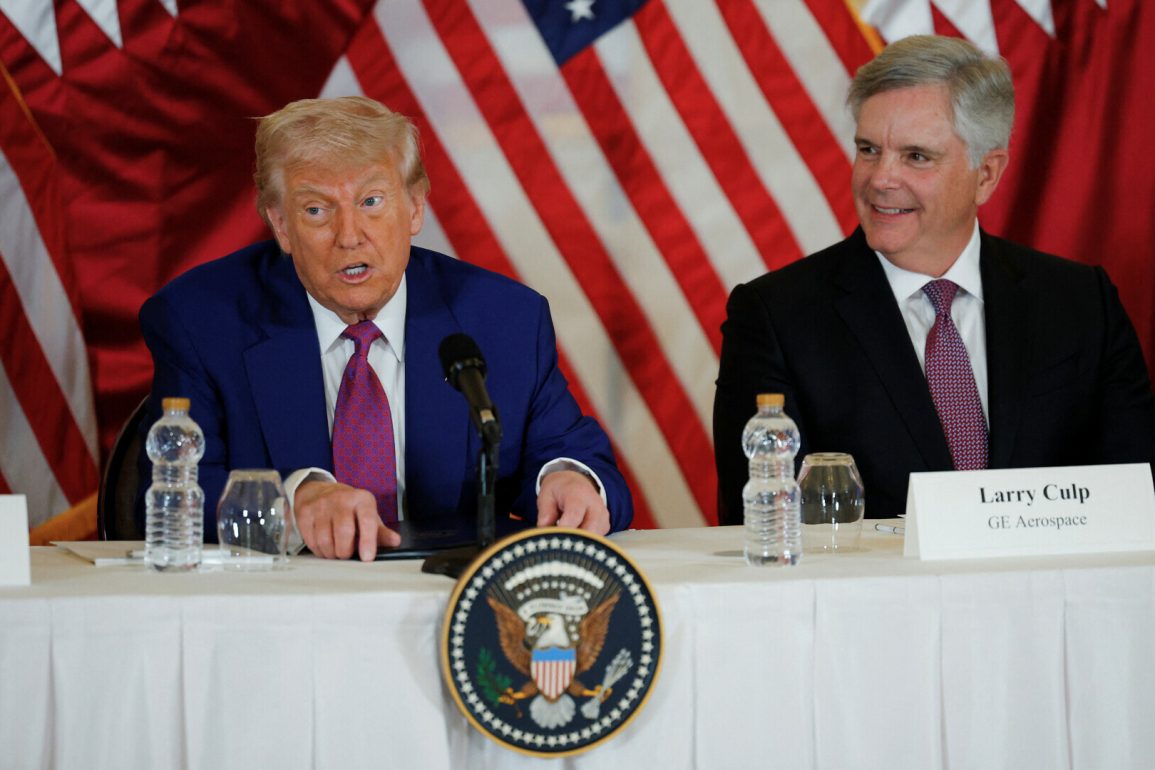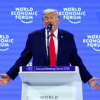
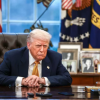
Former U.S. President Donald Trump announced on Thursday that the United States is close to finalizing a nuclear agreement with Iran, suggesting that Tehran has “sort of” agreed to the proposed terms.
Speaking during a visit to the Gulf region, Trump told reporters, “We’re in very serious negotiations with Iran for long-term peace. We’re getting close to possibly finalizing a deal without having to resort to other means.” He added, “There are two ways to approach this — one is diplomatic, and the other is through force. I prefer not to take the violent route.”
However, an Iranian source familiar with the talks emphasized that significant differences still exist, and key issues need to be resolved before any agreement can be finalized.
Recent discussions between Iranian and U.S. negotiators took place in Oman and concluded on Sunday. Both sides have expressed a preference for diplomacy over conflict, but major sticking points remain—especially regarding uranium enrichment and sanctions relief.
Despite these negotiations, Iranian President Masoud Pezeshkian sharply criticized Trump’s remarks on Tuesday, accusing the U.S. of being the source of instability in the region.
“Trump talks of peace and human rights while continuing sanctions and threats,” said Pezeshkian. “The U.S. is behind much of the chaos in the Middle East. He aims to destabilize Iran from within.”
The United States has repeatedly insisted that Iran cease its uranium enrichment activities, which Tehran has labeled a non-negotiable “red line,” asserting its sovereign right to enrich uranium on its own soil. Still, Iranian officials have hinted at a willingness to lower enrichment levels.
Tehran has also expressed openness to reducing its stockpile of highly enriched uranium—materials enriched beyond levels needed for civilian nuclear energy. However, officials have made it clear they won’t agree to limits stricter than those outlined in the 2015 nuclear deal, which Trump withdrew from during his presidency.
According to the Iranian source, while Iran is open to certain compromises, the main obstacle lies in Washington’s unwillingness to ease key sanctions. “Iran is ready to reduce its stockpile in phases, but the U.S. wants a faster process and more immediate results,” the source said. There’s also disagreement over where the excess uranium should be shipped.
Western sanctions have significantly strained Iran’s economy, and Tehran is seeking substantial relief in return for nuclear concessions.
Despite the optimism expressed by Trump, the road to a renewed nuclear agreement remains uncertain, with major policy differences yet to be reconciled.