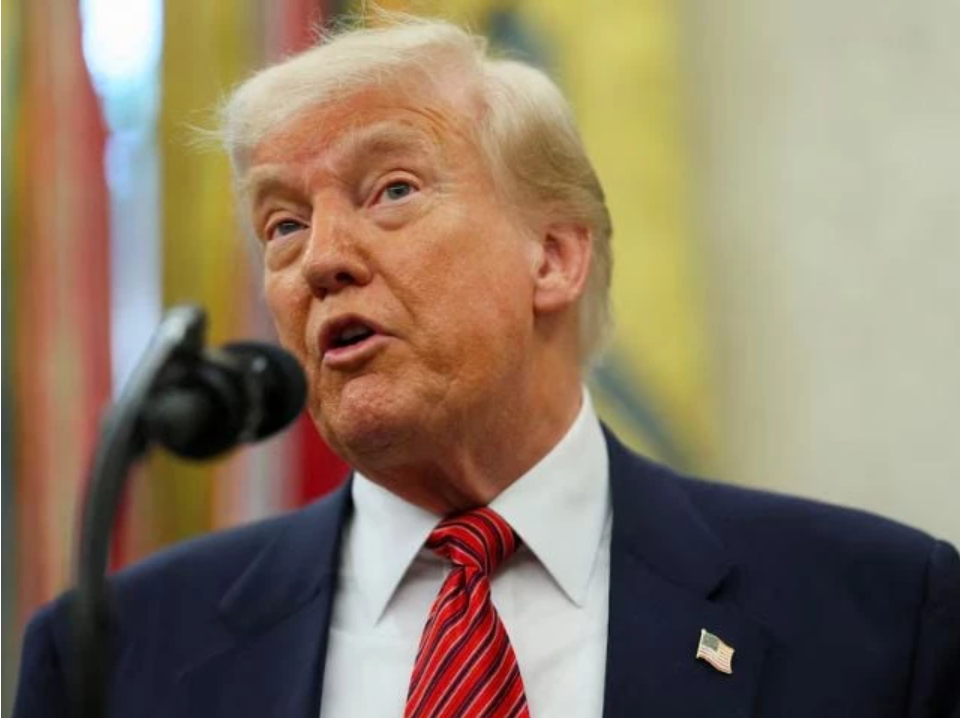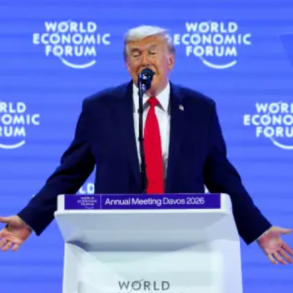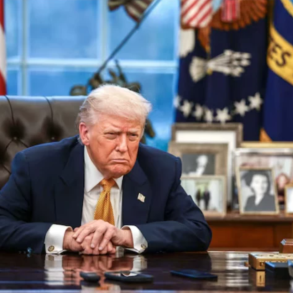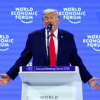
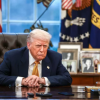
The US State Department has confirmed that former President Donald Trump remains open to mediating the Kashmir dispute between Pakistan and India, reaffirming his longstanding interest in resolving complex international conflicts.
Speaking at a press briefing on Tuesday, State Department spokesperson Tammy Bruce highlighted Trump’s consistent efforts to broker peace in global hotspots.
“President Trump has repeatedly brought unlikely parties to the negotiating table. It’s no surprise that he would be inclined to take on a challenge like Kashmir,” Bruce said.
When asked whether the US would consider supporting a UN Security Council resolution or hosting direct talks between the two nuclear-armed neighbours, Bruce declined to speculate on future plans. However, she underscored the president’s reputation for bold diplomatic moves.
“The world knows his instincts,” she added. “It’s an exciting moment globally, and there’s hope that even long-standing conflicts like this could be addressed before his term ends.”
US-Pakistan Engagement on Regional Stability
Bruce also confirmed that Pakistan Peoples Party Chairman Bilawal Bhutto-Zardari met with US Under Secretary for Political Affairs Allison Hooker during his recent visit to Washington, which took place from May 31 to June 6.
“They discussed the ongoing ceasefire between India and Pakistan, which we support wholeheartedly,” Bruce noted. “The talks also covered key bilateral issues, including counterterrorism cooperation.”
During the visit, the Pakistani delegation held meetings with senior State Department officials and over a dozen US lawmakers. Discussions included regional tensions, the suspension of the Indus Waters Treaty, and India’s recent military posture.
In a separate interview, Bilawal urged the US to play a more proactive role in resolving the Kashmir issue, saying it should be central to any future dialogue with India. “We’re open to talking about terrorism, but Kashmir must remain the core agenda,” he stated.
India’s Stance and Parallel Diplomacy
While Pakistan welcomed Trump’s mediation offer, India dismissed it outright, maintaining that Kashmir is a bilateral matter that requires no third-party involvement.
An Indian parliamentary delegation was also in Washington during the same period. Deputy Secretary of State Richard Landau met with the group and reaffirmed the US commitment to India’s counterterrorism efforts and broader strategic partnership.
Last month, following a brief military flare-up, the US facilitated a ceasefire on May 10. Trump later posted on Truth Social, writing: “I will work with you, both to see if, after a ‘thousand years,’ a solution can be arrived at concerning Kashmir.”
Rhetoric and Regional Realities
Trump has praised Pakistan’s handling of recent tensions with India, describing its leadership as “very strong.” Standing beside German Chancellor Friedrich Merz during a recent press appearance, Trump remarked, “Some people won’t like when I say that, but it is what it is,” crediting his own diplomacy for helping de-escalate the crisis.
Meanwhile, Iranian officials have claimed to possess documents allegedly revealing details of Israel’s nuclear programme—further raising regional tensions, though no documents have yet been released.
As the US prepares for a sixth round of indirect talks with Iran on the nuclear issue, all eyes are also on how Washington manages its relations with South Asia’s key rivals—and whether Trump’s offer to mediate Kashmir can materialize into meaningful diplomacy.