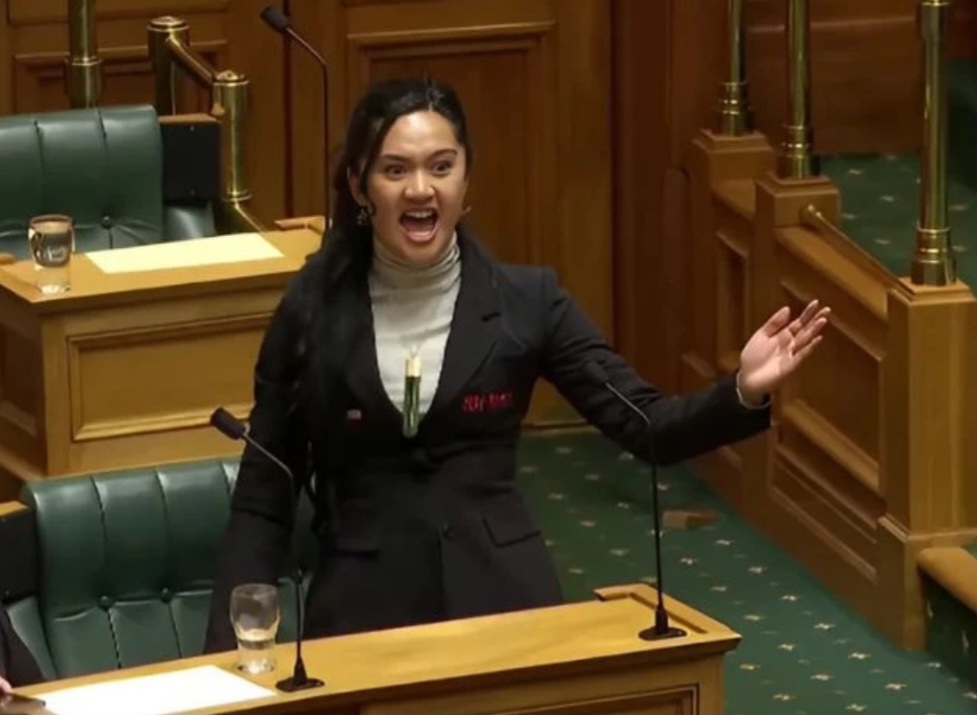

In an unprecedented move, New Zealand’s Parliament has handed down its longest-ever suspensions to three Māori Party MPs who staged a cultural protest during a vote on the controversial Treaty Principles Bill last year. The penalties mark a pivotal moment in the ongoing debate over Indigenous rights and the role of protest in democratic institutions.Cultural Protest Meets Parliamentary DisciplineMāori Party co-leaders Rawiri Waititi and Debbie Ngarewa-Packer were suspended for 21 days, while Hana-Rawhiti Maipi-Clarke, New Zealand’s youngest MP, received a seven-day suspension. Their offense? A symbolic protest against what they perceived as an attack on the foundational agreement between Māori and the Crown — the Treaty of Waitangi, signed in 1840.During a parliamentary vote in November on the Treaty Principles Bill, which proposed to reinterpret the Treaty’s foundational terms, the MPs performed a haka — a traditional Māori war dance often associated with resistance and cultural identity. Maipi-Clarke went a step further, dramatically tearing up the bill on the floor of the House.A Symbol of ResistanceThe haka, long used in ceremonial and confrontational contexts, has become a symbol of Māori pride and political defiance. Waititi further invoked historical trauma by holding up a noose during the protest, referencing the wrongful execution of his ancestor and accusing Parliament of replacing physical violence with legislative silencing.“Now you’ve traded the noose for legislation. We will not be silenced,” he declared, underscoring the protest’s historical weight.Reactions and RepercussionsThe response was swift and polarising. The MPs were summoned by the Privileges Committee — which they boycotted — and faced sharp criticism in Parliament. Foreign Affairs Minister Winston Peters notably mocked Waititi’s traditional ta moko (facial tattoo) and labelled the Māori Party “extremists,” inflaming tensions further.Following the suspensions, Maipi-Clarke condemned what she called unequal and politically motivated punishment. She pointed out that more egregious conduct by other MPs had gone unpunished, raising questions about double standards in parliamentary discipline.A Bill Already RejectedIronically, the Treaty Principles Bill that sparked the protest was defeated in Parliament in April, with widespread criticism that it sought to dilute Māori rights enshrined in the Treaty of Waitangi. Opponents viewed the legislation as an attempt to recast historical obligations and erode protections for the Māori population, which comprises roughly 900,000 people.A Flashpoint for Māori RepresentationThis episode highlights not just the cultural and political divide over Indigenous rights, but also the fragile space that Māori MPs occupy in New Zealand’s legislature. It raises vital questions about the limits of protest in democratic settings, the balance between tradition and procedure, and how Parliament handles acts of Indigenous defiance rooted in historical grievance.The long suspensions may be intended to enforce decorum, but they have also ignited a broader conversation — one that touches on colonial legacy, political representation, and the enduring struggle for Māori autonomy within a modern state. Whether seen as necessary discipline or oppressive silencing, the suspensions have already ensured that the voices behind the haka will echo far beyond Parliament’s walls.