
Real estate leads the charge; retail sector alone costs government Rs1.5 trillion annually
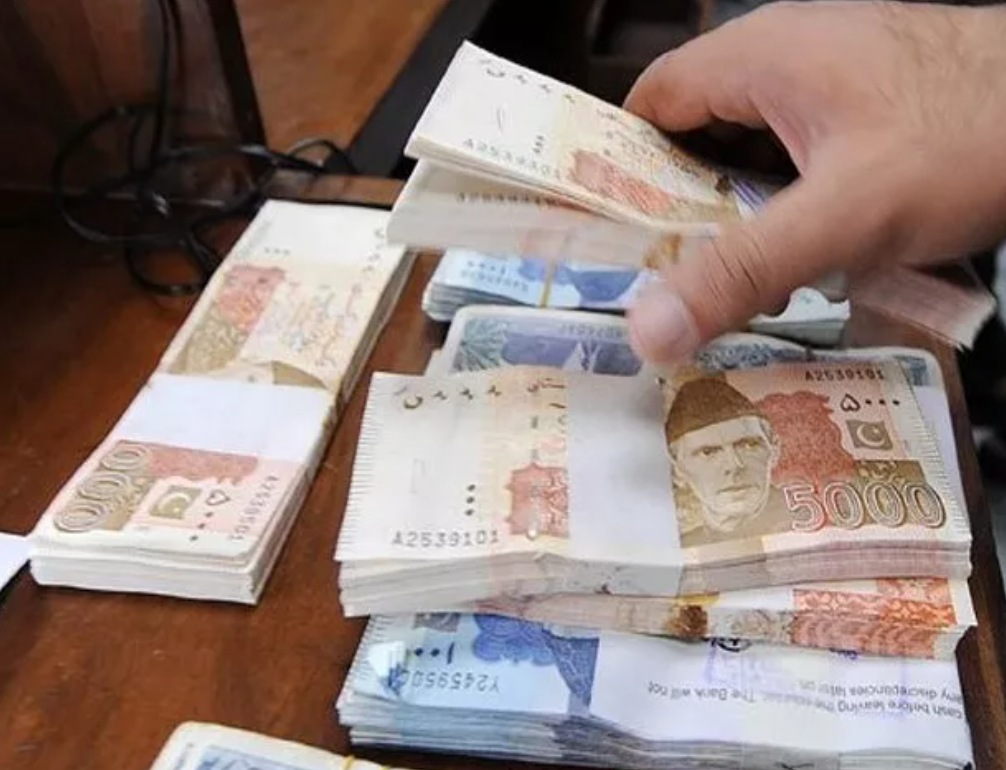
A significant portion of Pakistan’s population continues to fuel the informal economy—often unknowingly—by engaging in everyday transactions that bypass the formal tax system. Whether it’s buying from unregistered retailers or investing in property based on unofficial rates, many contribute to a shadow economy that undercuts national revenue and economic transparency.
Take a simple example: when a consumer purchases goods from an unregistered seller, both parties avoid taxes. In the real estate sector, the gap between actual market values and the official DC (Deputy Commissioner) rates effectively generates unreported income—commonly referred to as “black money”—without buyers or sellers always realizing it.
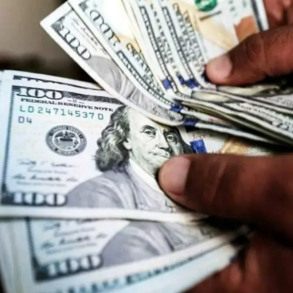
This cash-based, undocumented economy exists throughout the country and has now grown larger than Pakistan’s official GDP, which stands at around $374 billion. Estimates from various research institutions suggest the size of the informal economy ranges from $400 billion to $500 billion. Some businessmen even claim it’s twice the size of the formal economy, though such statements often lack formal research backing.
Operating outside tax systems, the informal sector deprives the government of vital revenue needed for public services like education, healthcare, and infrastructure. While it provides employment and services to millions, experts warn it is stalling the country’s progress and widening income inequality.
Real Estate and Retail Sectors Dominate
The real estate sector is the largest contributor to the undocumented economy. Property transactions often involve large cash payments and underreporting of sale prices to evade taxes. “In major cities, up to 70% of property deals are made using black money,” said a Lahore-based property dealer who requested anonymity. The use of fake documents and undisclosed bank accounts helps mask these transactions. Construction costs, rent payments, and labor wages frequently go unrecorded, making it difficult for authorities to trace financial flows.
Next in line is the retail sector, where thousands of small businesses operate without registration, licenses, or proper accounting. A clothing trader in Lahore, explained that the bureaucratic hurdles—complex paperwork, high taxes, and constant interference by officials demanding bribes—discourage shopkeepers from formalizing their businesses. “For most of us, it’s just not worth the trouble,” he said.
A recent report by the Sustainable Development Policy Institute (SDPI) estimates that 40% of Pakistan’s retail market operates informally, leading to annual losses of over Rs1.5 trillion in government revenue.
Informality in Manufacturing
Small-scale factories, especially in sectors like textiles, leather, steel, and auto parts, also contribute significantly to the shadow economy. Many underreport production, pay workers off the books, and ignore safety and environmental regulations. “If we followed every regulation, our costs would double and we’d go out of business,” admitted a factory owner in Faisalabad, the heart of Pakistan’s textile industry.
Such practices not only hurt tax revenues but also place workers in vulnerable conditions without legal protections or benefits.
Complex Regulations and Corruption Fuel the Problem
High taxes, convoluted regulations, and widespread corruption have driven many businesses underground. Pakistan’s tax system is among the most complex in the world, with small business owners struggling to navigate changing tax codes and unclear policies. “There’s always a new rule every year—how can anyone keep up?” said a wholesaler.
Bhatti also pointed to systemic corruption as a key factor. “If you know the right people or have enough money, you can bend any rule. If not, you’re penalized for doing things the legal way,” he said, adding that this has created deep mistrust in the formal system and discourages compliance.
A Tough Challenge Ahead
Addressing the informal economy is a long-term challenge. Parallel economy offers real financial advantages, and people are reluctant to give them up. While the government has made some progress, many remain wary of the tax system due to poor experiences faced by those trying to comply.
There is a need for major reforms: simplifying tax codes, lowering rates for small businesses, and visibly improving public services. People need to feel their tax money is making a difference—better roads, schools, hospitals. Until the formal economy becomes more accessible and rewarding, the informal sector will continue to grow, and Pakistan will remain stuck in a cycle of lost revenue and growing inequality.