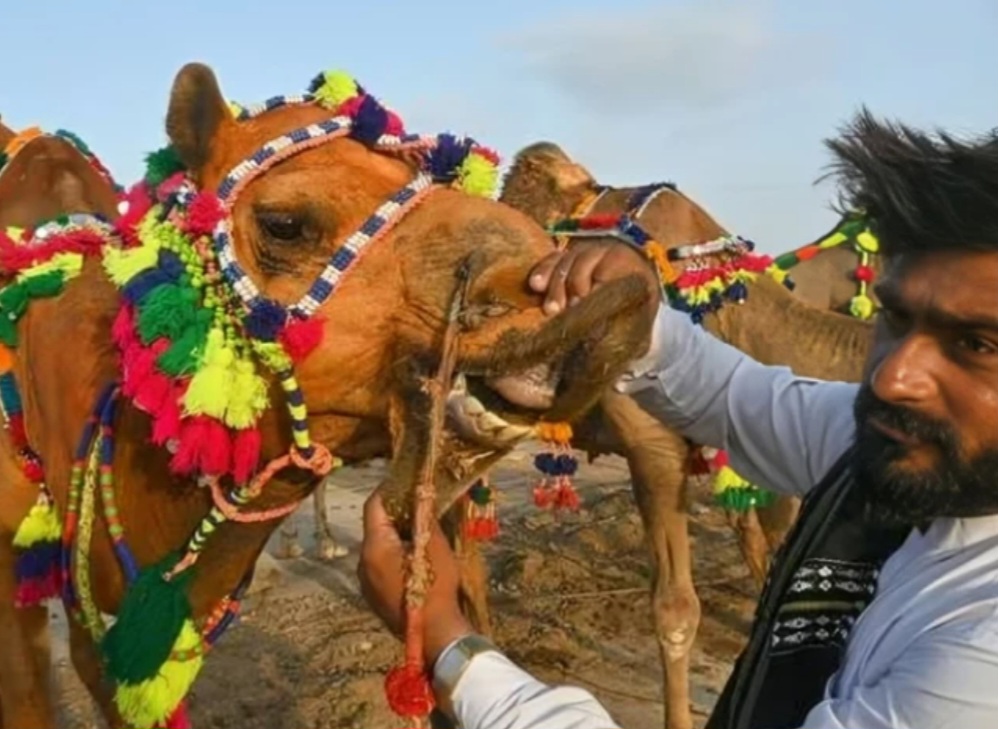

Eidul Azha, once a deeply intimate celebration rooted in sacrifice and compassion, now teeters between tradition and performance. In “Between Reverence and Reality: The Lost Spirit of Eidul Azha”, the author offers a thoughtful, bittersweet reflection on how Pakistan’s most anticipated religious festival has evolved—and at times, unraveled.The piece opens with vivid, almost cinematic snapshots of Eid preparations: bustling mandis, herds parading through city streets like they own them, and children doting on their temporary pets with packets of chaara. There’s a warmth and humor in these recollections—nostalgic memories of childhood visits to the cattle market, neighborhood goat chases, and the unmistakable thrill of Eid morning.But this reverence quickly gives way to reality. The author pulls no punches in highlighting how excitement often veers into negligence. Goats tethered too tightly under the scorching sun, cows forced to stand on sizzling pavement, and animals overloaded with decorative frills—our eagerness to celebrate often overrides basic empathy.A particularly poignant section critiques the growing performative nature of Qurbani. In the age of Instagram Reels and WhatsApp forwards, sacrifice has become spectacle. From goats turned into viral content to the disturbing normalization of livestreamed slaughters, the sacredness of the ritual is being diluted—broadcasted for validation rather than practiced with sincerity.The review also sheds light on the financial and infrastructural burdens surrounding Eid. Skyrocketing animal prices have made sacrifice a competitive display of wealth rather than a meaningful act of charity. Meanwhile, cities like Karachi are overwhelmed by the aftermath—overflowing with waste, blood-soaked streets, and an overburdened sanitation system that exposes both human and animal suffering.Yet, despite the criticism, the tone is not cynical. It’s elegiac. The author’s lament is rooted in love—for the festival, the memories, the potential for goodness. Eid still connects the nation in rare unity. The piece gently reminds readers that compassion and cleanliness are not peripheral but central to the faith this festival celebrates.In essence, this review is not a call to abandon tradition but to reclaim it. To treat animals with dignity, to resist performative rituals, and to remember that the true spirit of Eidul Azha lies in humility, not in hashtags. It is a powerful, necessary meditation on how we can celebrate with both joy and conscience—if only we choose to.