
Cumulative losses hit record Rs5.9 trillion by Dec 2024
In a rare and candid admission, the federal government on Friday acknowledged persistent governance issues and lack of transparency in state-owned enterprises (SOEs), with their cumulative losses rising to an all-time high of Rs5.9 trillion by December 2024.
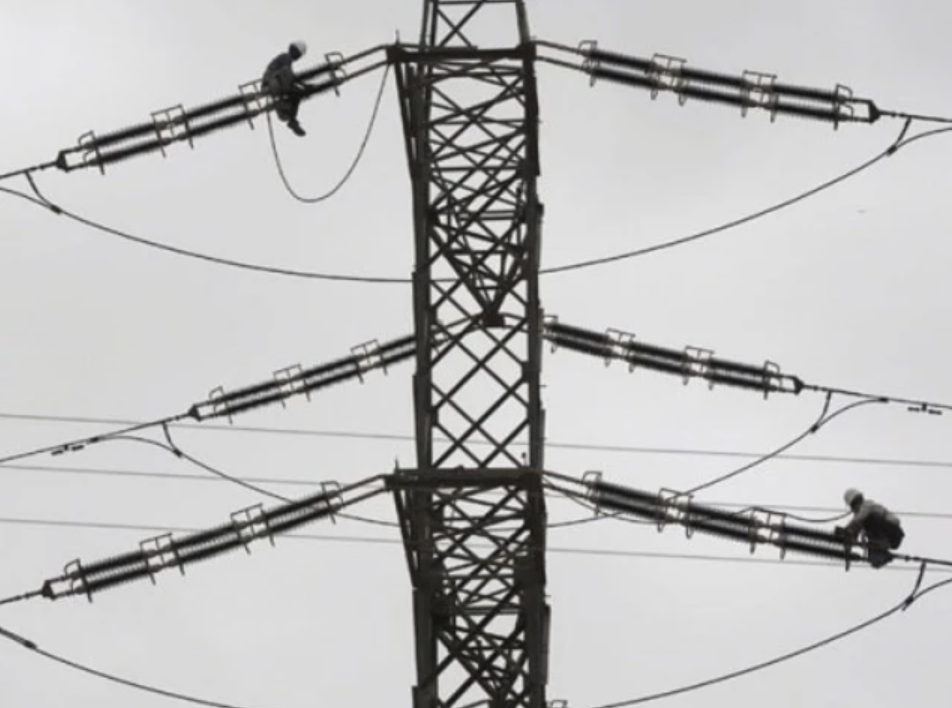
The Ministry of Finance issued the statement following a meeting of the Cabinet Committee on State-Owned Enterprises (CCoSOEs), chaired by Finance Minister Muhammad Aurangzeb. The review, covering the July–December 2024 period, painted a bleak picture—especially within the energy sector, where circular debt across the power and gas supply chain surged to Rs4.9 trillion.
“Governance concerns persist, with low levels of transparency in beneficial interest disclosures under Section 30 of the SOEs Act, along with other compliance gaps,” the finance ministry noted. It further identified misaligned business strategies and operational inefficiencies as urgent areas in need of reform.
The finance minister reaffirmed the government’s commitment to overhauling public sector entities by enhancing governance, improving operational performance, and aligning business plans with national priorities.
According to the finance ministry, SOEs posted an additional Rs342 billion in losses in just six months—averaging Rs1.9 billion per day. Aurangzeb highlighted continued inefficiencies in the operations of electricity distribution companies (DISCOs), delayed network upgrades by the National Transmission and Despatch Company, unfunded pension liabilities, and poor governance practices as key factors straining fiscal resources and eroding investor confidence.
The cabinet committee also discussed a biannual performance report presented by the Central Monitoring Unit. The report confirmed Rs5.8 trillion in cumulative SOE losses, Rs4.9 trillion in circular debt across the oil, gas, and power sectors, and over Rs600 billion in government support via grants, subsidies, and loans—nearly 10% of total revenue collected during the same period.
Further compounding the fiscal burden are unfunded pension liabilities, particularly within DISCOs and Pakistan Railways, estimated at Rs1.7 trillion. Government guarantees backing SOE borrowing currently stand at Rs2.2 trillion, with debt rollover costs and restructuring liabilities continuing to mount.
Aurangzeb underscored the need for government-appointed board directors to act with diligence and play an active role in safeguarding the financial and operational health of SOEs. He recently told the National Assembly Standing Committee on Finance that many government nominees on SOE boards were underperforming and needed to improve significantly.
To address governance gaps, the committee approved several new board appointments, including the chairpersons of Quetta Electric Supply Company (Qesco) and Gujranwala Electric Power Company (Gepco), and independent directors for Multan Electric Power Company (Mepco), Power Information Technology Company, and Genco Holding Company Limited (GHCL). It also constituted the board for the Independent System Market Operator and the Energy Infrastructure Development and Management Company.
In addition, the committee approved the winding down of three subsidiaries under the Ministry of Railways: RAILCOP, PRACS, and PRFTC.
The government reiterated its resolve to improve transparency, enforce financial discipline, and implement structural reforms to revive SOE performance and reduce the fiscal drain.