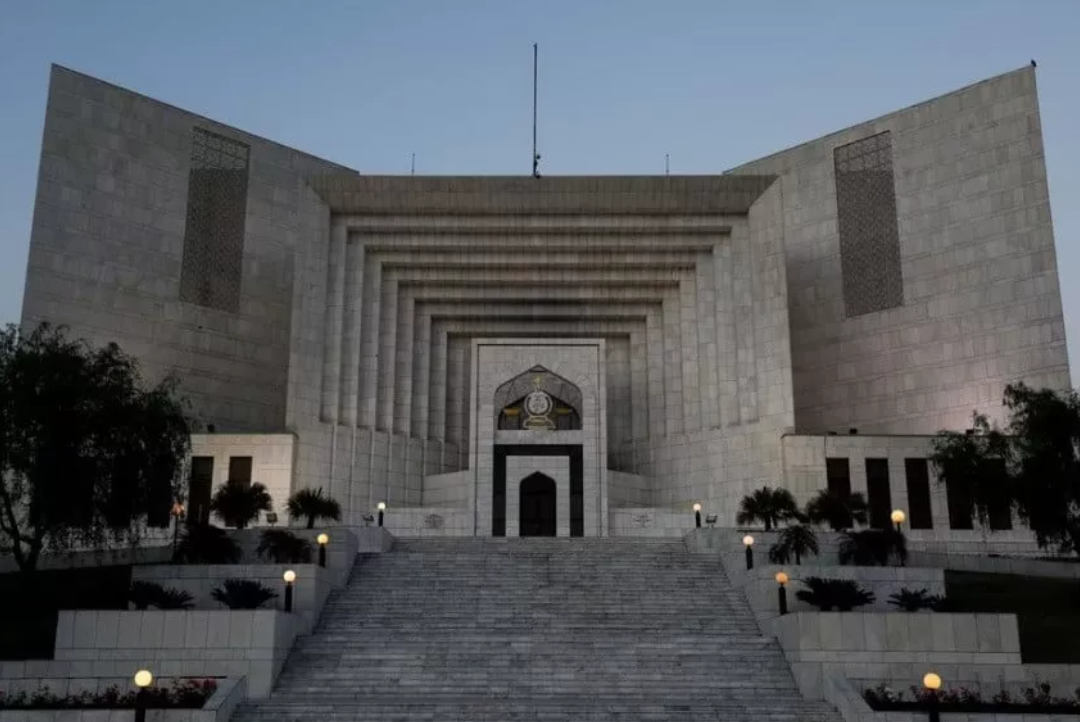

Despite the passage of the 26th Constitutional Amendment and the Supreme Court (Practice and Procedure) Act 2023, Pakistan’s judiciary continues to face deep skepticism regarding the impartiality of bench formation in high-profile cases. This review assesses the current state of judicial bench composition and the efficacy of recent reforms aimed at depoliticizing the process.
For over a decade—since March 2009—the formation of so-called “like-minded benches” has been a recurring issue, with critics arguing that these judicial panels have often served political agendas. Although the 26th Amendment was intended to curb this practice by involving the Judicial Commission of Pakistan (JCP) in bench nominations, it appears to have done little to ease doubts.
One of the core problems remains the executive’s alleged influence over the JCP, raising concerns about compromised judicial independence. The system’s credibility has been further eroded by accusations that some senior judges facilitate this executive sway.
The track record since 2009 shows that all major political parties—PTI, PML-N, and PPP—have, at various times, found themselves on the receiving end of verdicts delivered by benches accused of political alignment. This issue came to prominence during the tenure of former Chief Justice Mian Saqib Nisar, whose bench formations were seen as strategically hostile toward the PML-N. The trend allegedly continued under Chief Justices Gulzar Ahmed and Umar Ata Bandial.
In theory, the reforms introduced by the 2023 Practice and Procedure Act, which established a three-member committee of senior judges to form benches, should have enhanced transparency. In practice, however, the process remains opaque. Critics argue that judges known for their independence or critical stances are regularly excluded from constitutional benches—suggesting the persistence of favoritism under a different guise.
Despite over six months of the 26th Amendment being in effect, no clear or public criteria have been established for selecting judges for constitutional benches. While 15 judges have been nominated, several respected senior judges—reportedly not aligned with the executive—have been overlooked.
The current bench-selection committee, comprising Justices Aminuddin Khan, Jamal Khan Mandokhail, and Muhammad Ali Mazhar, has faced its share of criticism. Specific cases have raised eyebrows: the omission of Justice Shahid Waheed in the military courts case, the exclusion of tax experts from the super tax bench, and the controversial composition of the bench handling the reserved seats case review.
This last case highlighted a visibly fractured judiciary, with Justice Jamal Khan Mandokhail intervening to ensure fairness after Justice Aminuddin Khan hesitated to allow a challenge to the bench’s formation. Such moments underscore the internal tensions and the growing perception that the judiciary may be leaning toward “government-aligned” configurations.
In conclusion, while recent legal reforms aimed to foster greater fairness and transparency, they have not gone far enough to restore public trust. Without well-defined criteria, reduced executive influence, and a consistent commitment to impartiality, the judiciary’s legitimacy will continue to face serious scrutiny. The notion of like-minded benches may have evolved, but its shadow still looms large over Pakistan’s highest court.