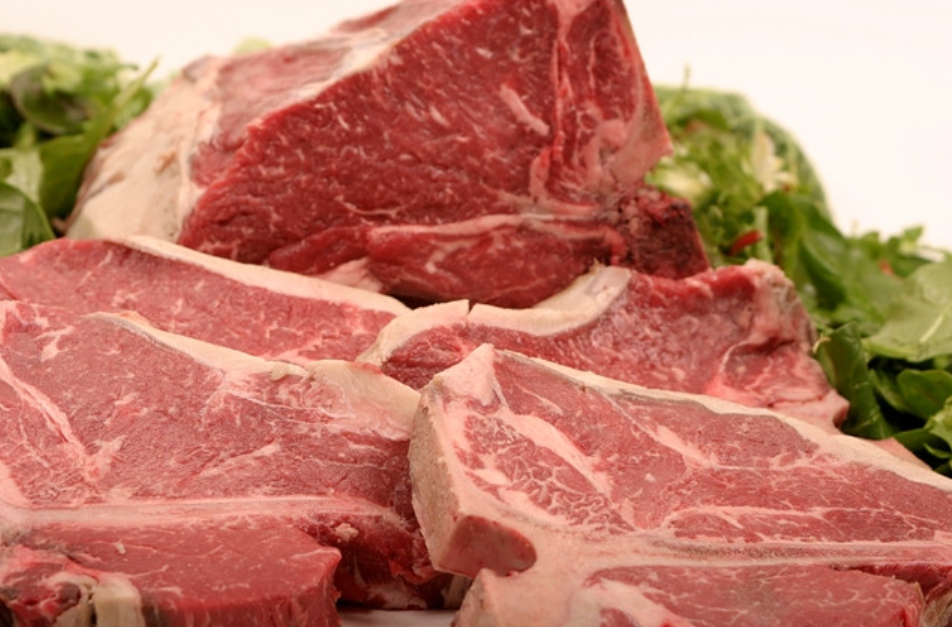

In the days following Eidul Azha, when meat consumption across the country surges, health experts have raised timely concerns over how qurbani meat is preserved, cooked, and consumed — especially amid sweltering temperatures and frequent power outages.
The central message: consume meat responsibly, cook it wisely, and store it safely.
Medical professionals are recommending that qurbani meat be eaten fresh and prepared using healthier cooking methods such as boiling or steaming, rather than frying or heavy processing. They caution that while red meat is a significant part of Eid celebrations, excessive or improperly prepared meat can pose serious health risks — particularly for individuals with heart conditions, high cholesterol, or angina.
Referencing global health guidelines, experts pointed out that the World Health Organization (WHO) has identified links between high red meat consumption and various health issues. Meanwhile, organizations like the American Heart Association advise keeping red meat intake below 350 grams per week.
Key recommendations for post-Eid meat handling include:
- Trim excess fat before cooking.
- Avoid high flames and overcooking, which can destroy essential nutrients.
- Use healthy oils such as extra virgin olive oil, canola oil, or sunflower oil.
- Cook on low heat to maintain nutritional value.
- Pair meat with fresh vegetables, green chutneys, and salads to create a more balanced meal.
Importantly, for those with pre-existing health conditions, the advice is moderation, not elimination. A cautious, portion-controlled approach to meat consumption can allow individuals to partake in Eid traditions without compromising their health.
As meat continues to be a staple during this festive period, this review underscores the importance of informed consumption. Celebrating tradition doesn’t have to come at the cost of well-being — and with small, conscious changes, households can enjoy the season both joyfully and healthily.