
By A.R Manj
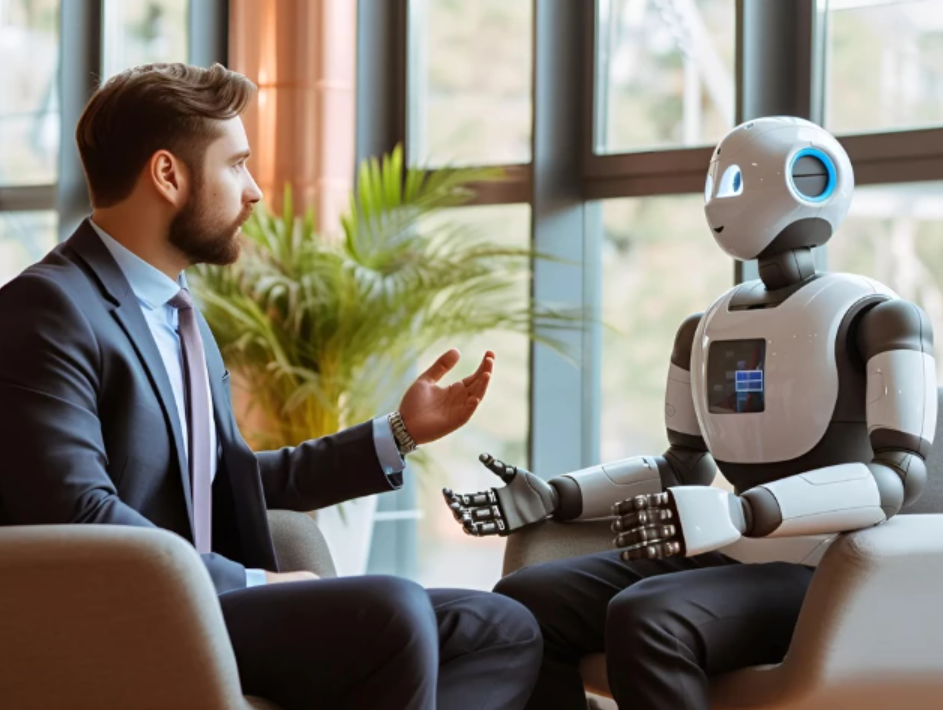
The growing integration of artificial intelligence in recruitment has come under scrutiny once again—this time, sparked by a viral TikTok video that captures a deeply flawed job interview experience with an AI system.
Leo Humphries, a 25-year-old job seeker from Houston, Texas, shared his frustration after a job interview for a national company turned out to be conducted not by a human, but a glitchy AI. What was supposed to be a pivotal moment in his career search quickly unraveled when the AI interviewer began malfunctioning mid-call.
In the video, posted under his handle @leohumpsalot, the AI’s robotic voice stuttered through questions before abruptly thanking him—without ever allowing him to answer. Humphries, clearly disappointed, described the experience as both “confusing and disheartening.”
“At first, I wasn’t sure how to feel,” Humphries explained. “I think in the moment I just felt a sense of disappointment.”
Adding to the concern, Humphries revealed he had no prior knowledge that the interview would be AI-led—a detail he only discovered once the call began.
His story echoes similar reports across TikTok and social media, including another user, @its_ken04, who posted a video of an AI interviewer stuck in a repetitive loop—raising red flags about the reliability of automated recruitment tools.
A Trend on the Rise—With Risks Attached
While companies increasingly adopt AI tools to streamline hiring, especially for high-volume roles, HR experts are urging caution.
Bryan Driscoll, an HR consultant, labeled the practice as “dehumanising”, warning that the race to automate interviews can lead to cost-cutting at the expense of candidate dignity and diversity.
“AI can reinforce bias, strip away nuance, and make it harder for underrepresented or nontraditional candidates to break through,” Driscoll said.
From resume screening to automated interviews, AI’s footprint in recruitment is expanding—but not without growing pains.
Josh Jones, CEO of AI firm Quanthub, described the current state of AI in hiring as a “messy middle”—a phase where the technology is impressive in scope but still too unreliable for high-stakes decision-making like interviews.
Efficiency vs. Empathy
For many job seekers, like Humphries, the shift toward AI in hiring processes raises deeper concerns—not just about functionality, but fairness.
“On one hand, AI is efficient. On the other, it raises questions about personal connection and fairness,” he reflected. “It definitely made me wonder how widespread this practice might become.”
As tech companies and HR departments weigh the benefits of AI-driven recruitment, the challenge lies in balancing innovation with humanity—ensuring candidates are not just screened efficiently, but treated fairly.
Verdict: AI may be reshaping recruitment, but if companies fail to address the technology’s limitations, they risk alienating the very talent they aim to attract.